

Industry
Config 2025: craft, AI, and building in public—it's a great time to be a designer
Rumors of design's death have been greatly exaggerated.
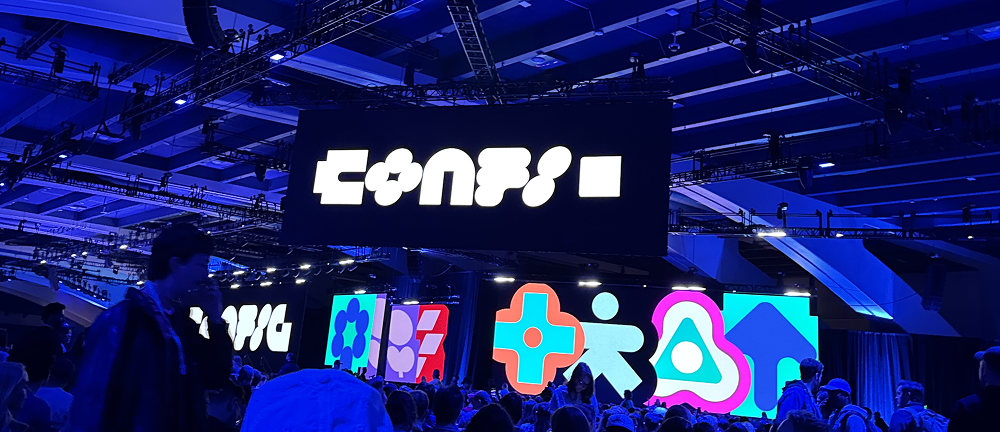
This was a huge year for Figma with 4 major drops:
- Figma Sites—think Webflow/Framer. Publish your site from Figma. The problem of creating in Figma, then recreating it in another tool, is very real. Can’t wait to try it out.
- Figma Make—think of Make to Figma as what Cursor is to VS Code. Design, code, and create all from one place.
- Figma Draw—for years designers have sworn by Figma for vector graphics but it was just not as robust as good old Adobe Illustrator. Now with Draw, everything’s about to change. Draw still feels like an entry-level product but the demo was impressive and the core features seem promising.
- Figma Buzz—basically Canva’s new challenger. Buzz makes asset creation easier for marketing teams, all within Figma.
With Adobe’s acquisition off the table, Figma’s back and better than ever.
If you can’t join ‘em? Beat ‘em!
Designing in the age of AI
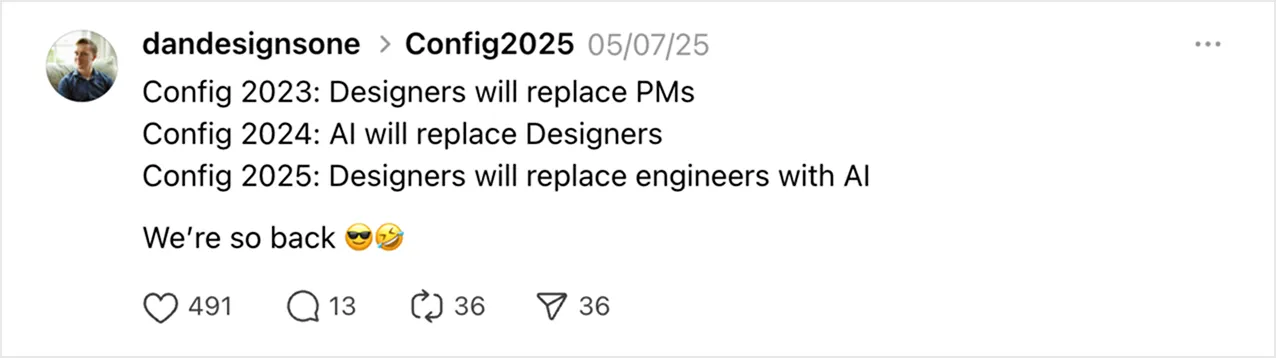
No surprise here—AI was everywhere this year. But unlike last year’s ominous tone, this year feels optimistic. It’s not AI vs. designers—it’s AI with designers. I’m not worried about AI replacing designers overnight, but I do think our roles are evolving fast. The only way is through.
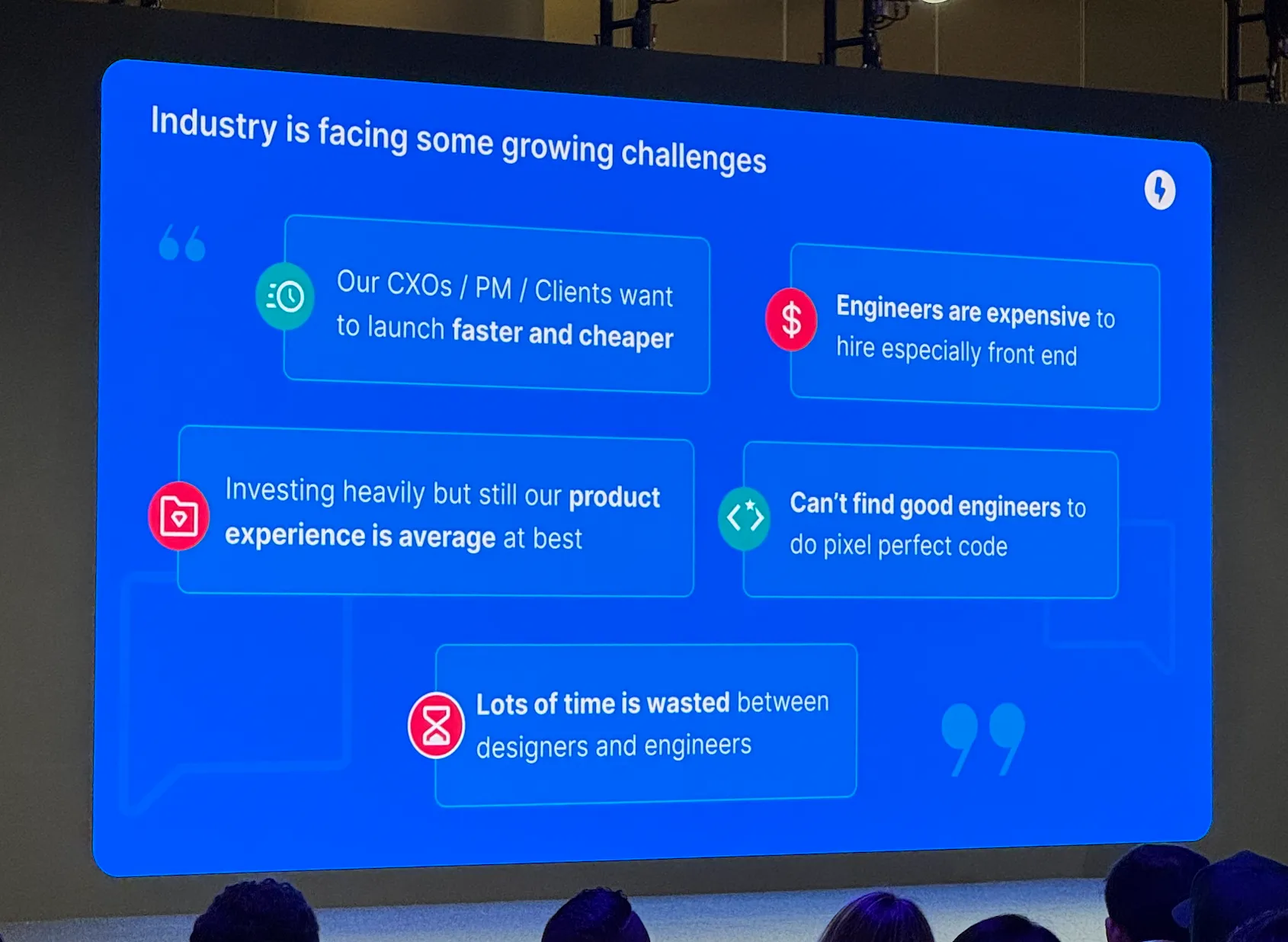
In “The rise of the design engineer,” two co-founders demoed how their tool can quickly recreate a site from Figma to whatever stack your company supports. No pixel-perfect engineers on your team? No problem. Should developers be worried? Maybe—but I think in the end, just like design, both roles will evolve.
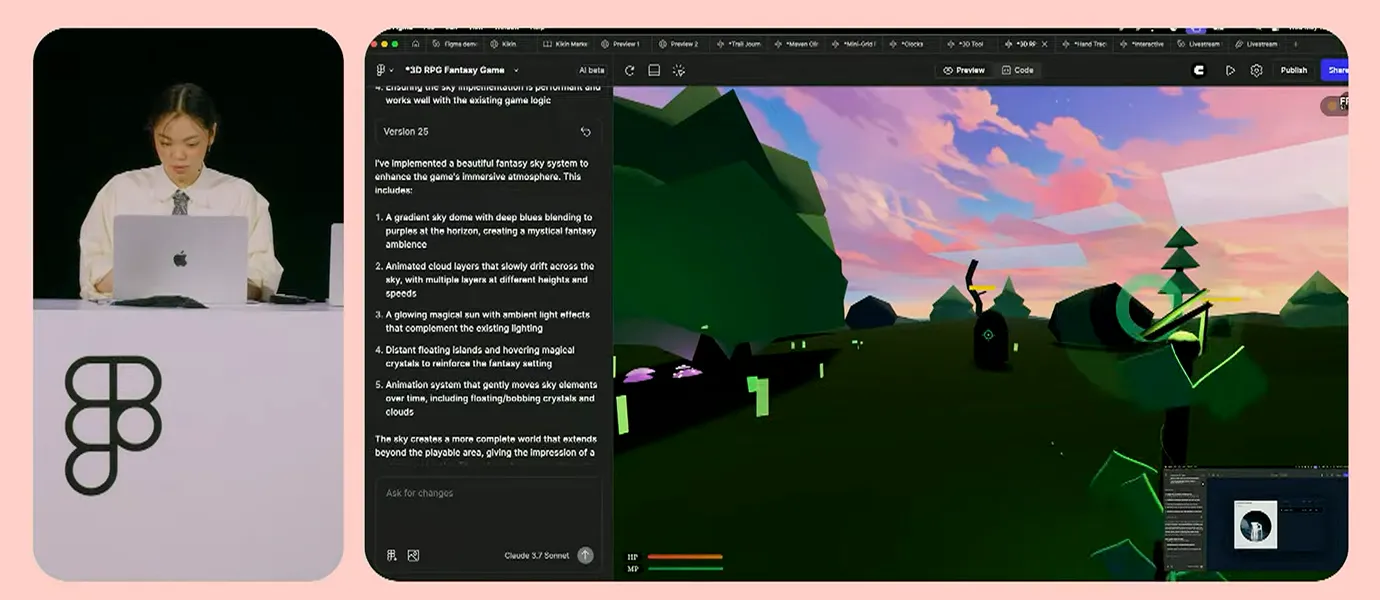
On the flip side, Figma’s demos with Make felt more empowering than threatening. It’s not about replacing your design—it’s about building playful, interactive experiences. One demo had you fighting gnomes in the woods. Gnomes!
It’s not AI vs. designers—it’s AI with designers.
With AI, a designer’s role will change—and even great tools still need a master craftsman. If anything, AI sometimes has a tendency to smooth things over and create bland designs. The role of craft—the quality and the care—is coming back into play.
Craft is still key
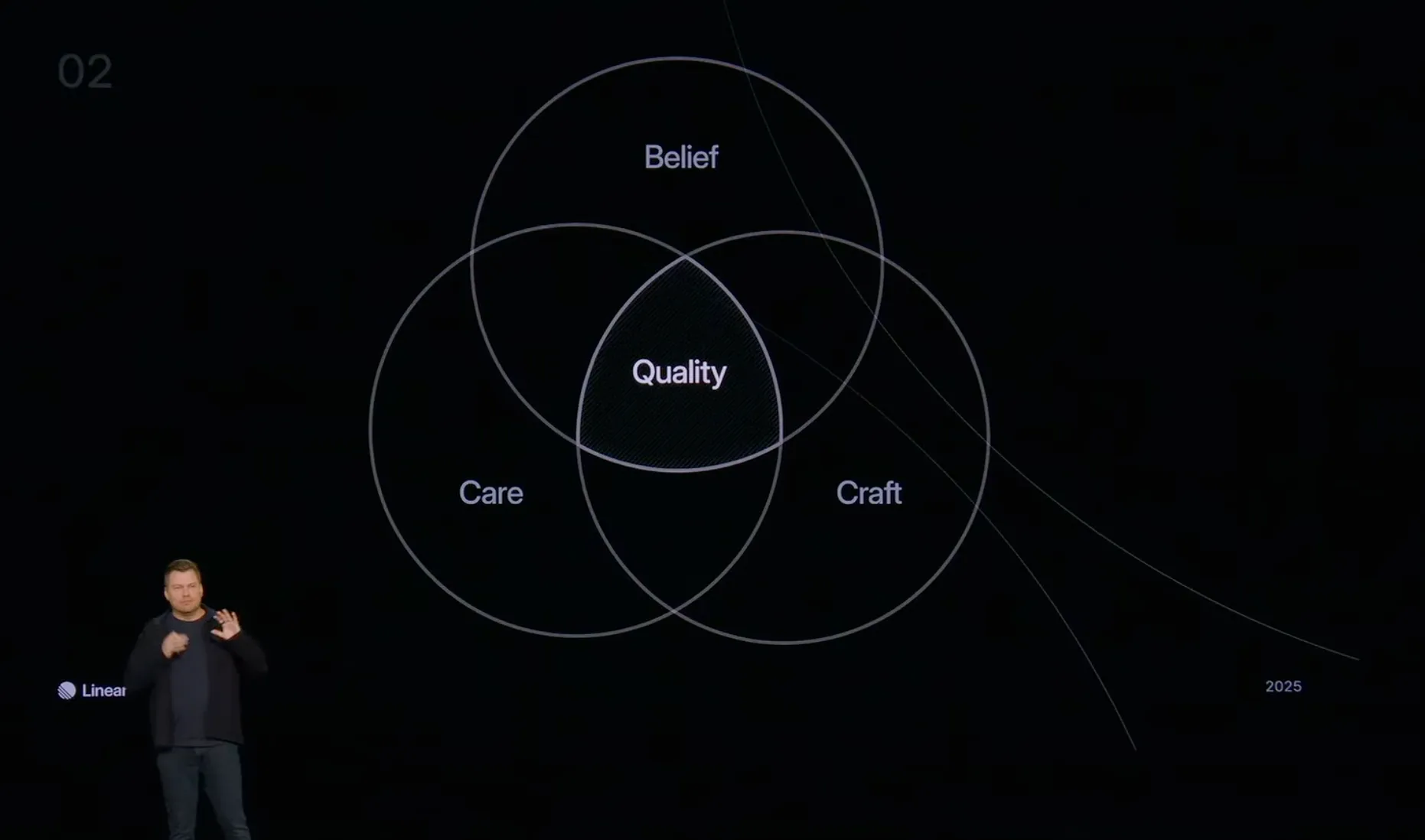
- Craft as a competitive differentiator. Karri Saarinen (Co-founder & CEO, Linear) talked about how they built a culture of craft from the outset at Linear and how it helped fuel growth. There are no MVPs unless they’re internal builds. Bugs are closed within 7 days. I loved the talk, but it made me wonder—how do you maintain that level in a larger org where design is just one of many functions?
- AI will need curation. Just like Photoshop didn’t turn everyone into an artist, AI won’t magically deliver good design. It’s easier to use—but someone still needs to make the calls.
- Quality through quantity. From Gabriel Valdivia’s talk: the best design emerges from countless iterations. Don’t be afraid to share work every few hours, especially in 0 → 1 initiatives. This was a much-needed reminder for me personally—I bring my work to our critique twice a week, but what if I brought it twice a day?
Craft isn’t going away. If anything, the bar for thoughtful, human-centered design is only rising.
Lower friction to launch
Big teams used to mean siloed roles: PMs, designers, engineers, researchers, analysts… But now? The lines are blurring.
- Build in public. Product creation is sometimes a linear, laborious process—only to launch a “perfect” product too late, missing critical user feedback along the way. What if we built in public instead? Nolan Perkins gave a talk that was raw, honest, and covered the joys and struggles of building in public.
- Go solo. Christine Vallaure de la Paz shared how she bootstrapped her own company, Moonlearning, slowly and intentionally. A great reminder that not everything has to be VC-backed or fast-growth from day one. No hockey stick? No problem. Build it over time, and build it with care.
- Become a founder. Parteek Saran went from designer to startup founder, encouraging others to make the leap too. The tools are here. And more importantly—as designers, we have the mindset already. The through line of the talk: “You’re already doing it!”
AI is lowering the barrier to entry. Whether you’re solo, on a team, or somewhere in-between, it’s never been easier to build something new.
Beyond everyday pixels
One of my favorite parts of Config is how it goes beyond just product design tips. It’s about what design could be. These were a couple of my favorite talks that pushed the boundaries of designed things and digital experiences. What if design could be fun? Or “dopamine driven,” as David Galavotti put it.
Nicole McLaughlin reimagined discarded materials. David Galavotti explored the endless canvas. And Maxime Heckel showed how the future of the web is paved with shaders.
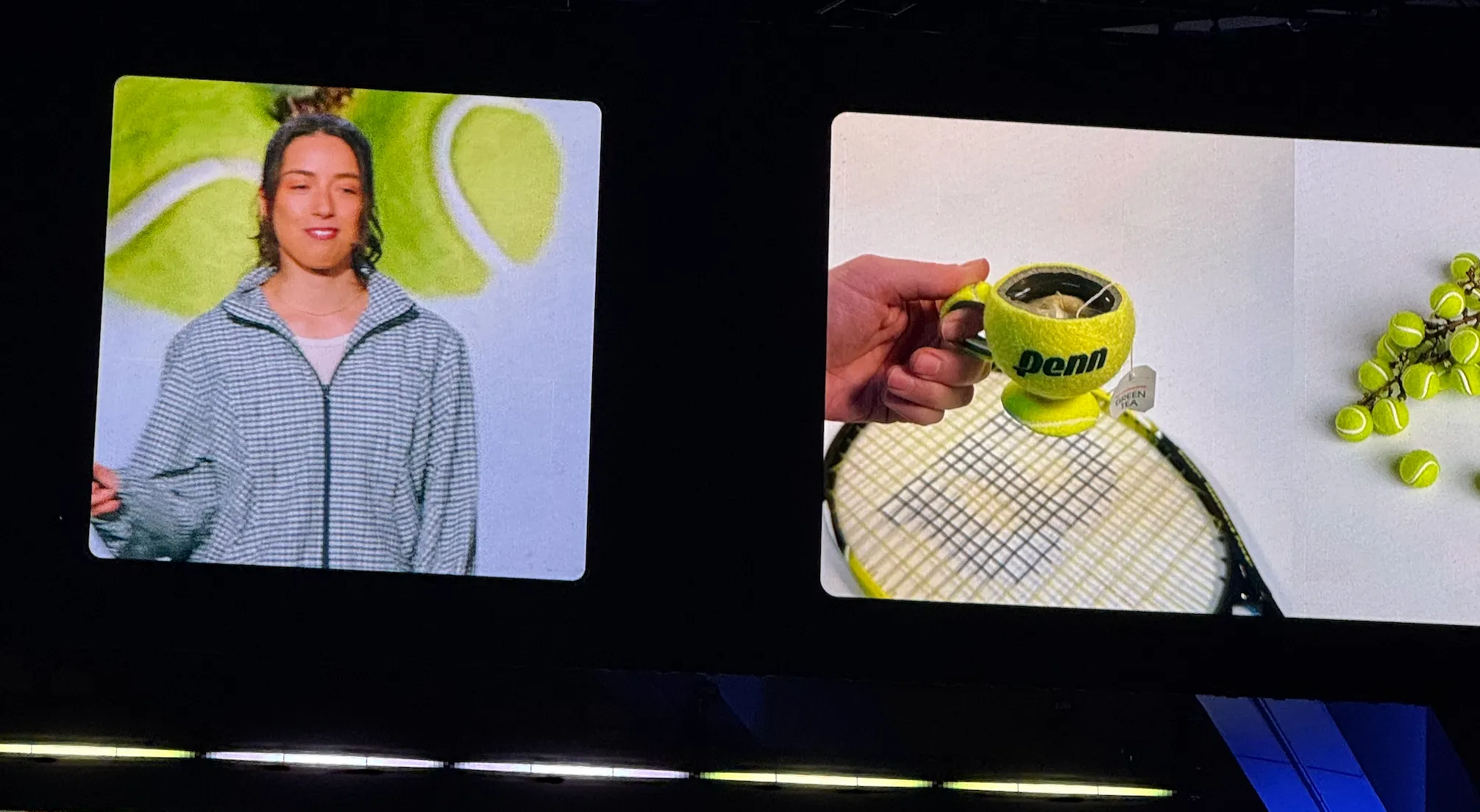
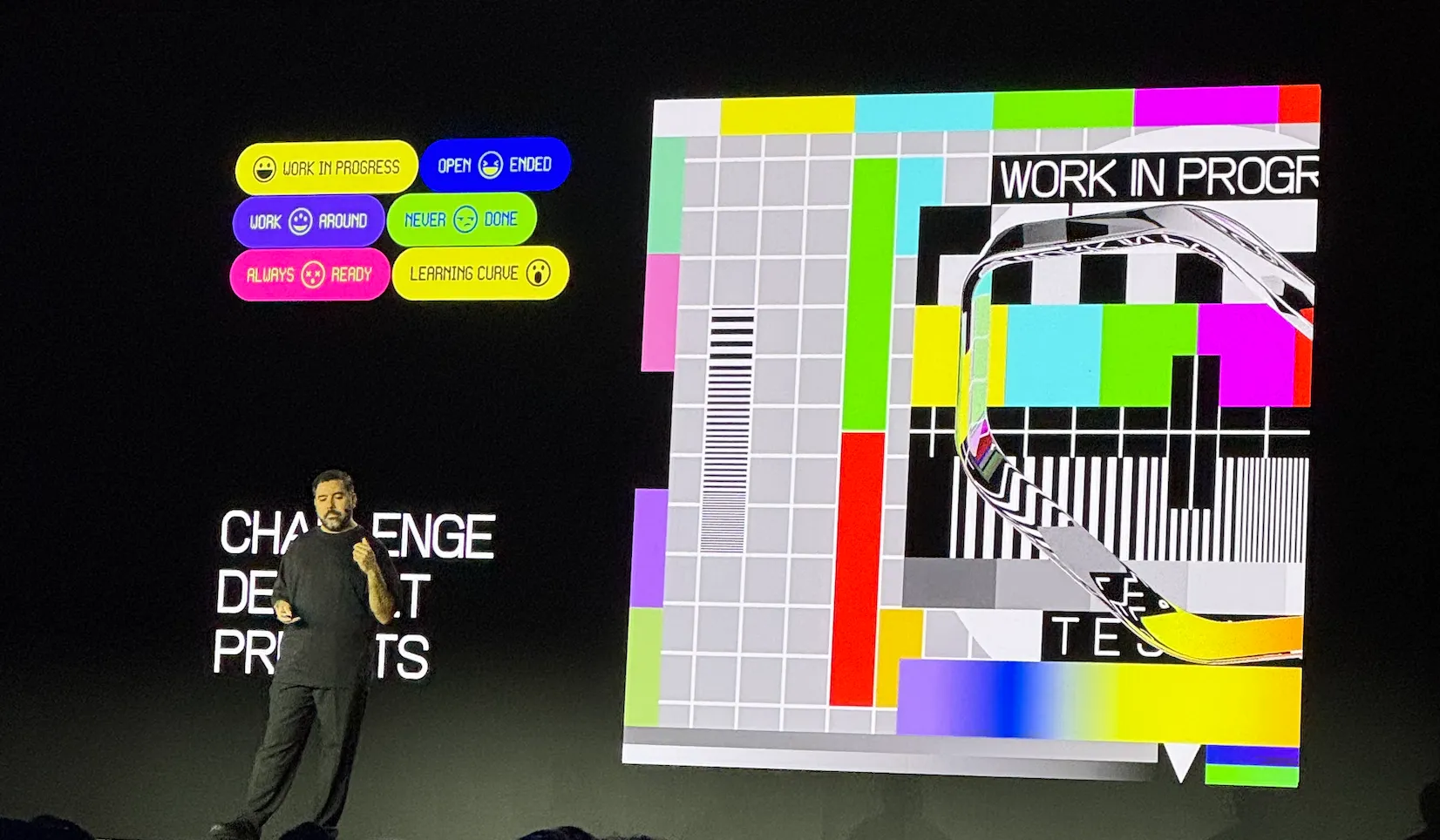
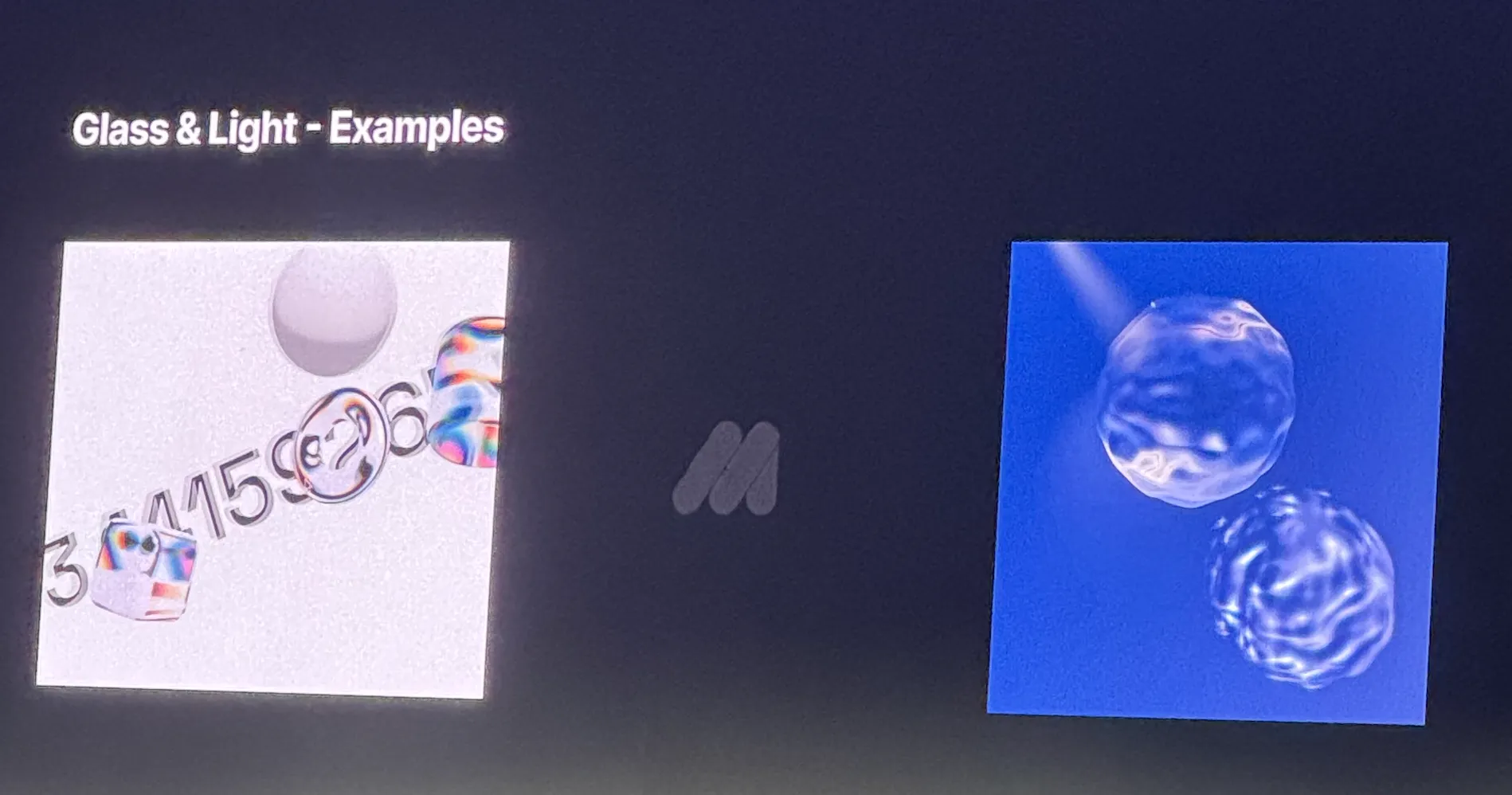
With these examples, the strong attention to craft and the blurring of the lines between design, visual code, and image was amazing to see. I loved David’s quip that it’s important to build for oneself—“dopamine-driven development.”
What’s next?
Personally, I’m excited to dive into all the new tools and techniques and start learning.
Last year felt like a downer. Who needs designers if Figma can just build it for you? But the vibe has shifted this year. I dare say—we’re in a golden age. The tools are evolving and still somewhat crude. But as I learned from Raylene Yung’s talk, the best orgs don’t just settle for what they have—they build better tools for makers.
Can’t wait to dive in.
-

Building
29,651 tasks later—what I learned vibe coding my to-do app
Checking off tasks became an addiction but the app behind it was failing me.
-
Career
If you build it, they won't come—and that's precisely the point
Most developers building apps today are asking the wrong question. The choice isn't “will people use this?”—it's whether you're building for them at all, or building something tailored so precisely to yourself that shipping it would ruin the point.